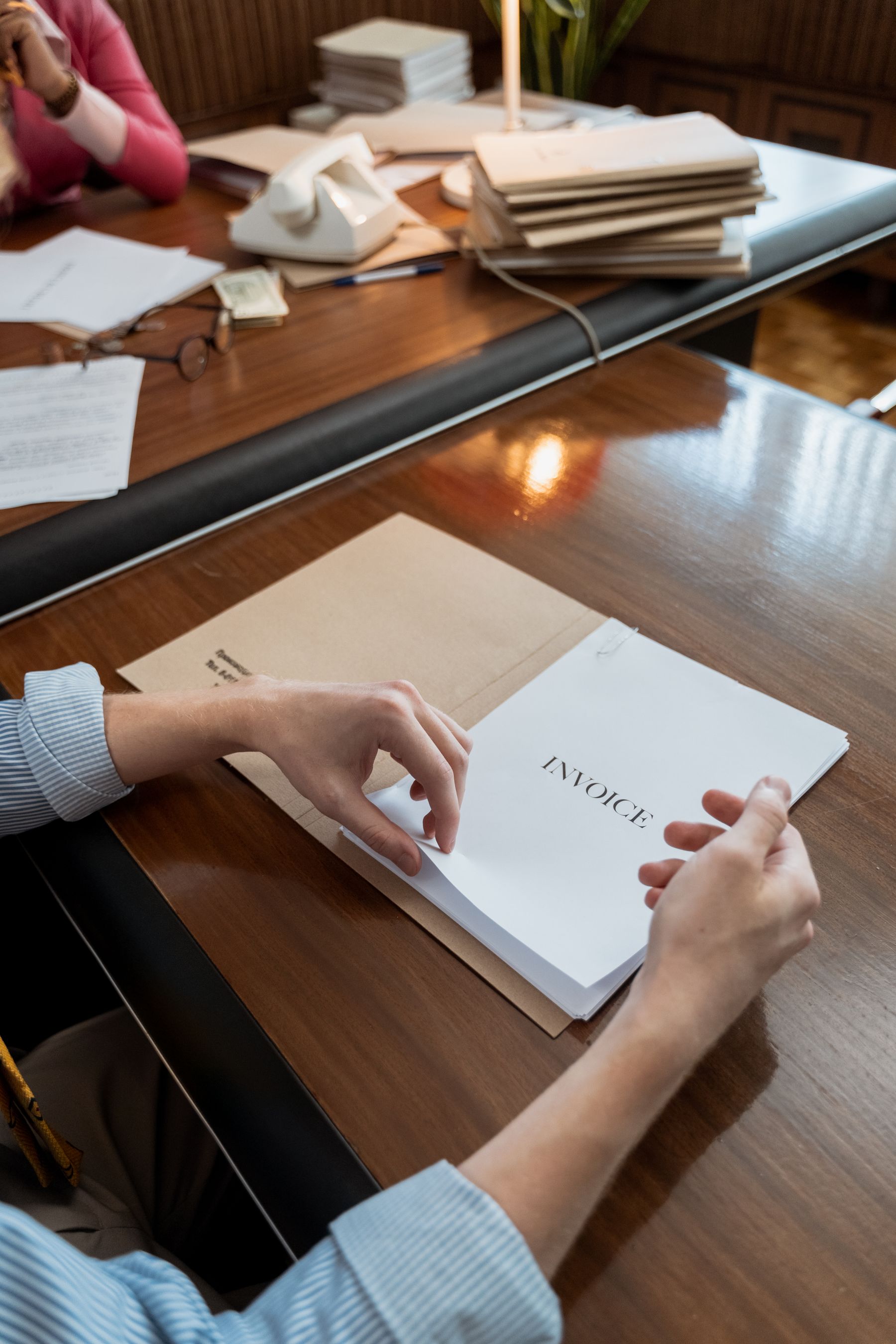
The first follow-up after an invoice due date
A calm, specific message that makes it easy for the client to answer.
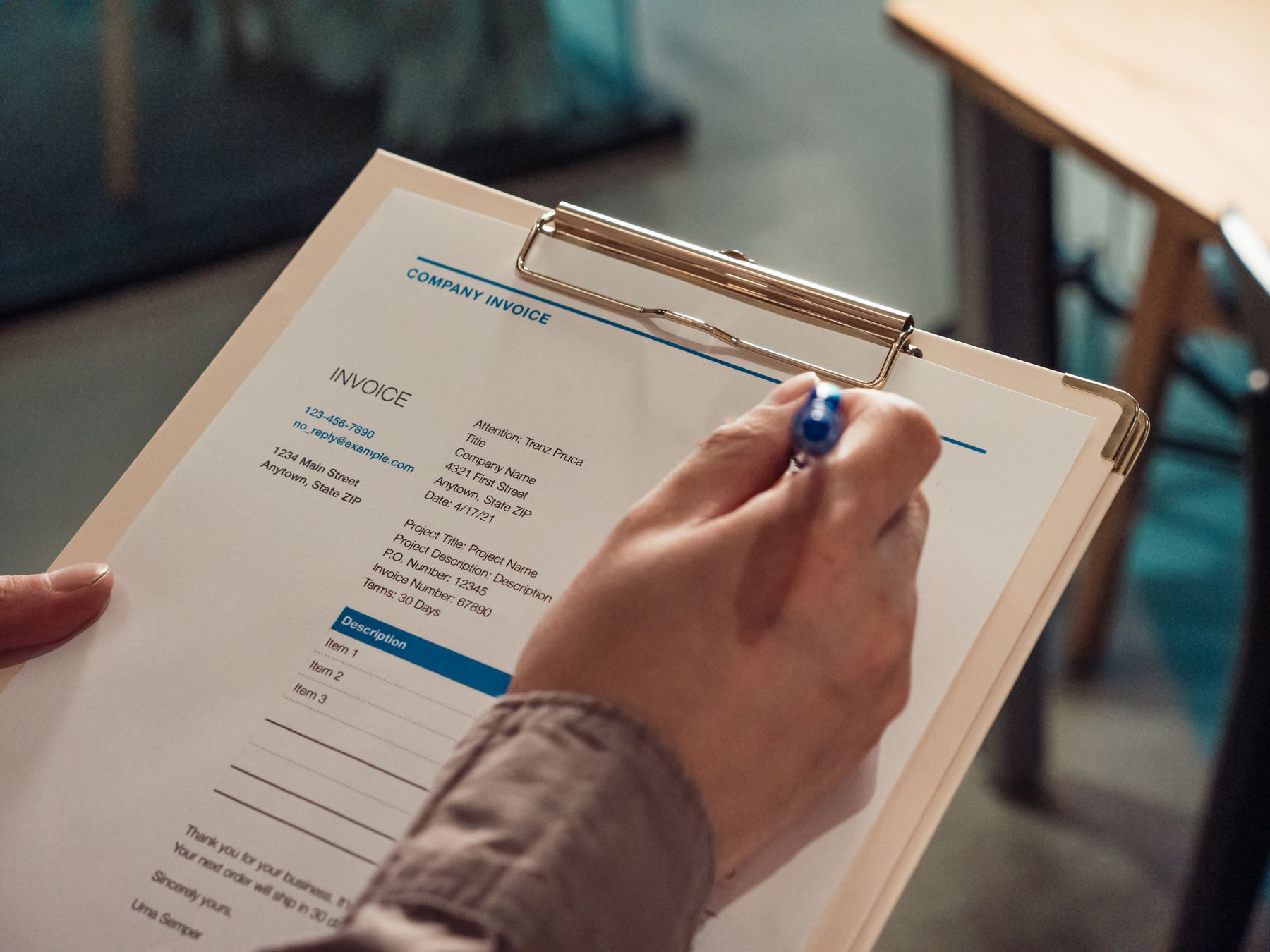
The first follow-up should reduce uncertainty, not escalate emotion. Confirm the invoice facts, make the payment path easy to find and ask one direct question about status.
Verify the record before writing
Check the invoice number, issue date, due date, original amount and payments received. Confirm that it reached the correct billing contact and that the payment instructions still work.
Look for a recent reply, credit note or dispute. A reminder based on stale records erodes trust.
- Correct remaining balance
- Valid payment details
- No unresolved dispute or recent receipt
Write for a useful reply
State that the invoice appears outstanding, include the reference and remaining amount, then ask when payment is scheduled. Keep the tone professional and assume an ordinary delay.
Attach or link the invoice through an appropriate channel. Avoid sending sensitive account details to an unverified address.
- Clear subject and invoice reference
- Remaining amount and due date
- Single question about timing
Set the next review point
Record the message date and schedule the next check. If the client gives a payment date, treat it as a promise to verify—not as money received.
DueSparrow helps separate sent follow-ups, promises, disputes and actual receipts so the next action reflects reality.
- Contact and channel
- Reply or promised date
- Next review date